


Wind Tunnels across the world offer a wide range of testing facilities, each with its own specific advantages and disadvantages. AeroTex’s highly skilled staff and extensive experience in wind tunnel testing means that we are well placed to help you select the best facility for your project, to help you design a test campaign that meets your requirements and to carry it out proficiently with efficiency.
The Right Tunnel for The Right Job
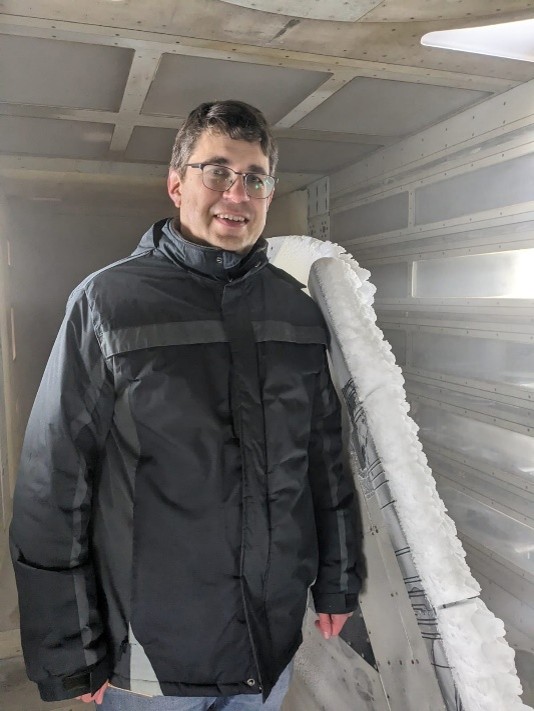
AeroTex staff have acted as trial managers in most of the world’s major icing wind tunnels.
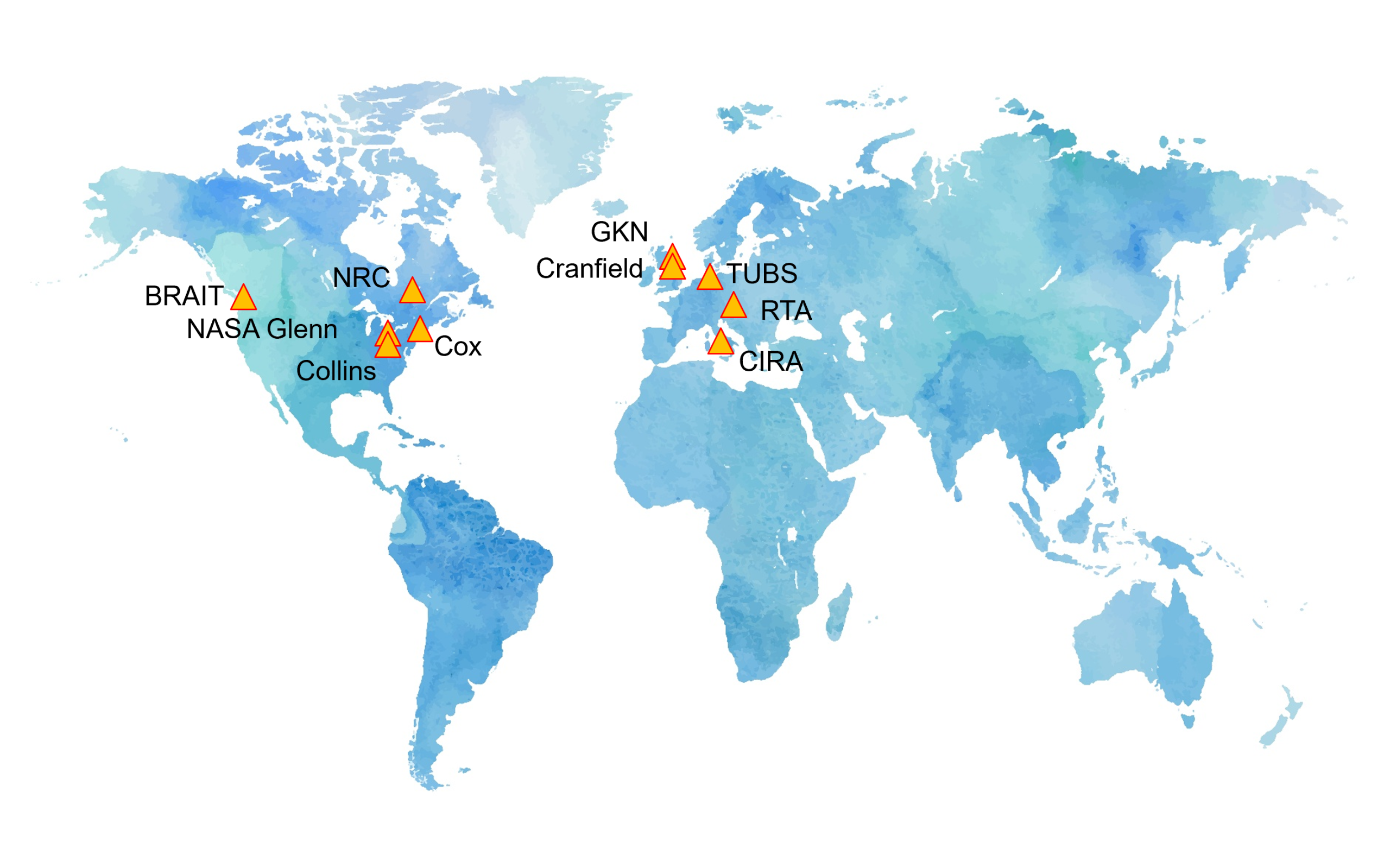
We have experience of operating in both large facilities, such as NASA Glenn, CIRA, and RTA, and small facilities like NRC, GKN, Collins, Cranfield, BRAIT, Cox and TUBS.
A Tailored and Efficient Test Plan
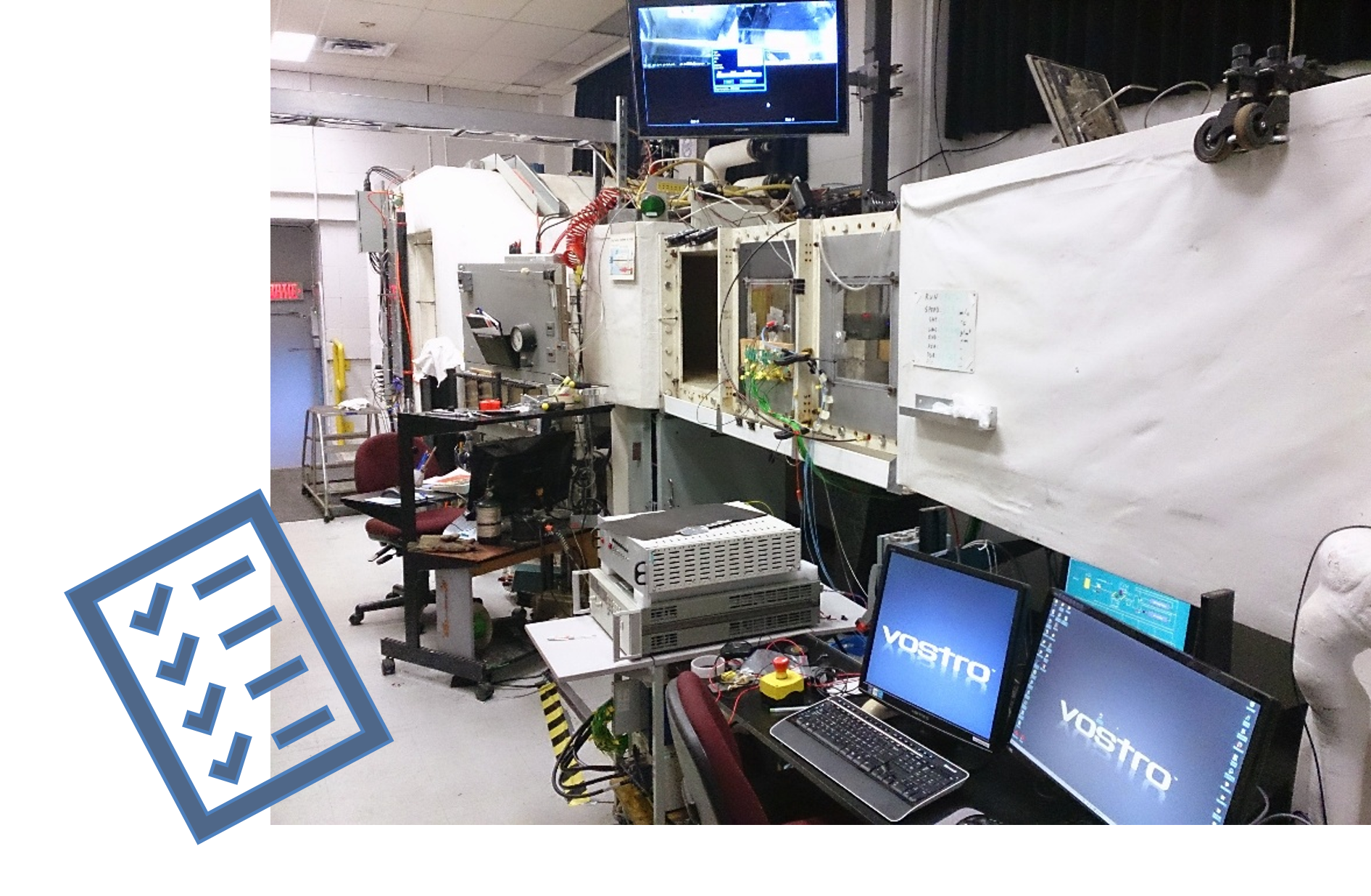
In these facilities we have conducted a broad range of tests over a wide range of systems giving us the expertise to help you to construct a test plan uniquely tailored to your particular project.
Test Articles and Systems
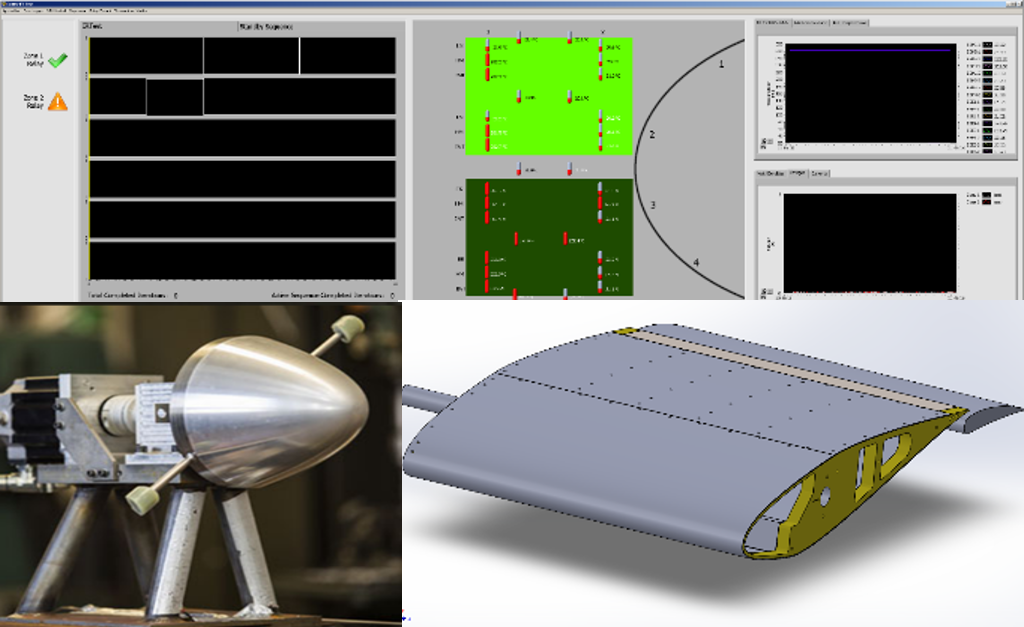
AeroTex also provide bespoke test articles and systems to support your tests. From our comprehensive electrothermal IPS controller and data acquisition systems, through to rigs designed to measure the fundamental adhesion and cohesion properties of ice, we know we can deliver the right solution for your programme.
Some projects we have been involved in:
Icephobic Materials
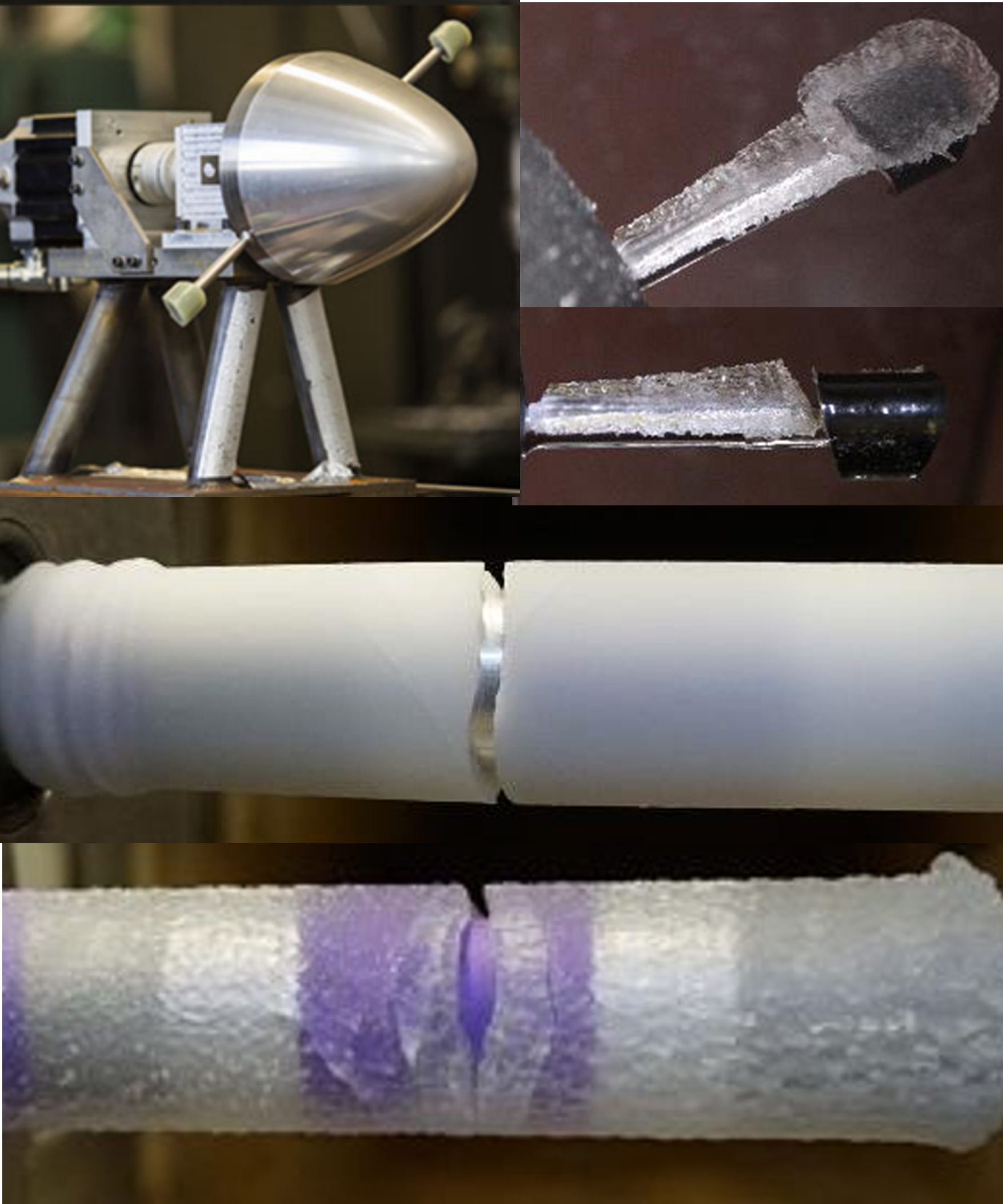
AeroTex has designed specialised adhesion and cohesion test rigs, and carried out extensive testing on, a range of icephobic materials.
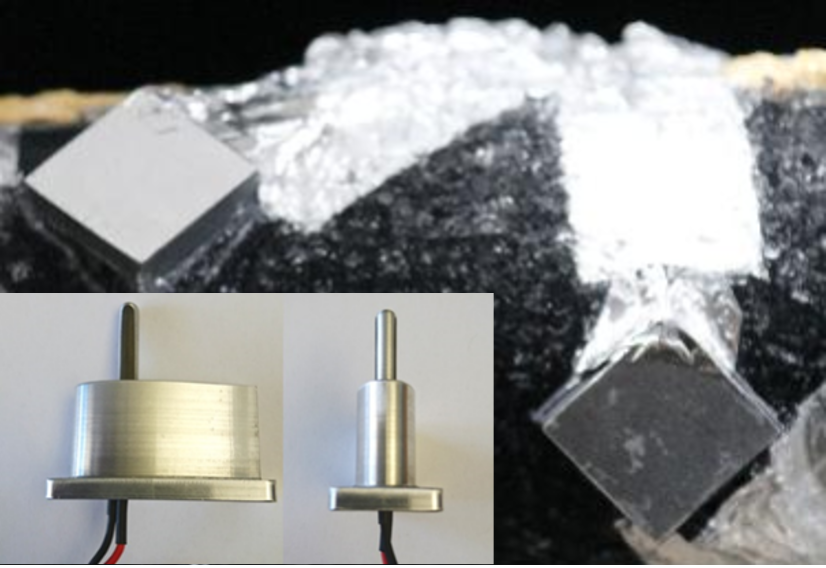
Ice Detectors and Air Data Instruments
AeroTex has been involved in testing ice detectors and air data instruments. From design modification requirements, to readiness for in flight testing, AeroTex has designed appropriate test rigs, coordinated testing and brought devices onward.
Electrothermal and Electromechanical Ice Protection
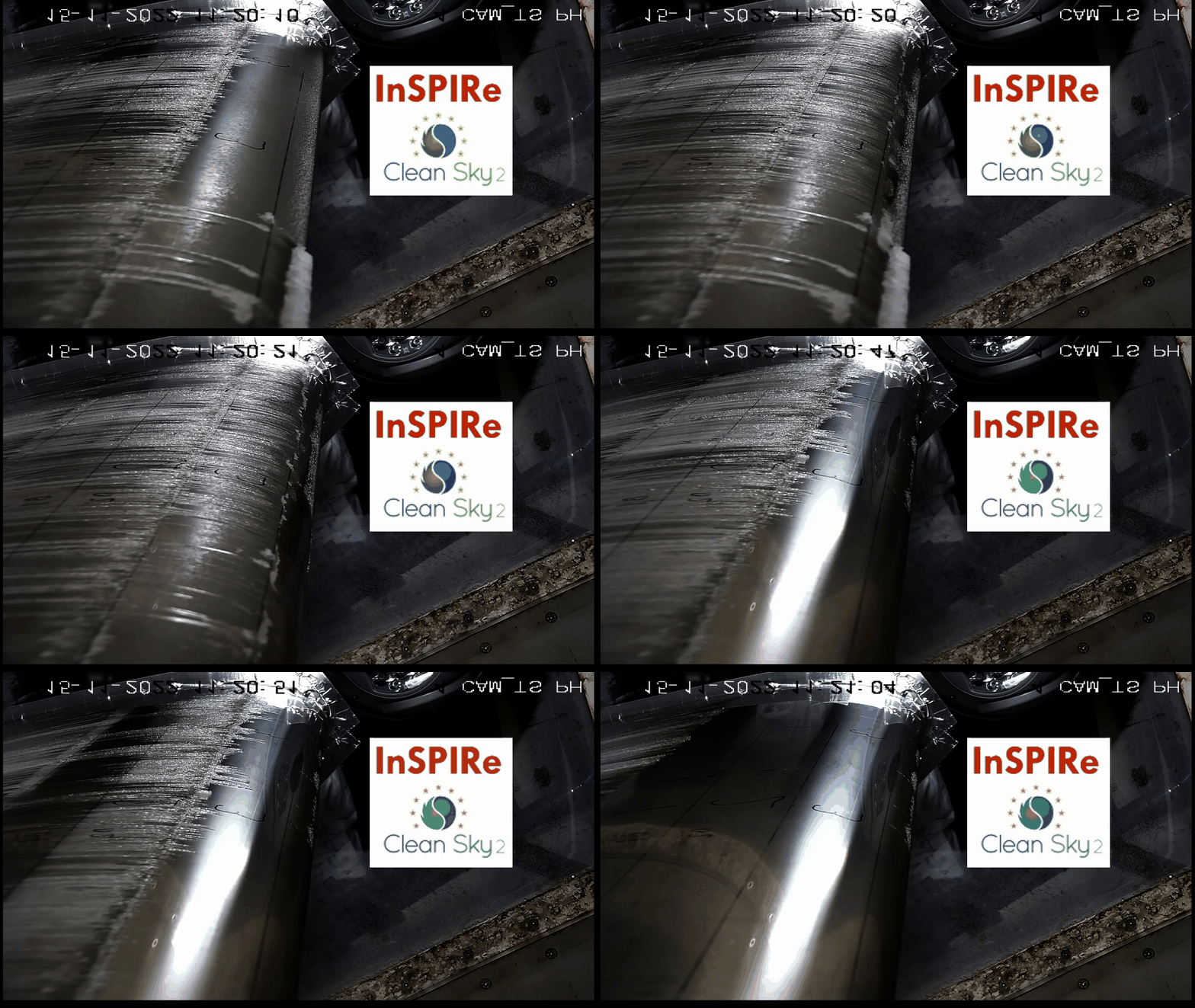
AeroTex has been involved in wind tunnel testing for the purposes of both design and certification for both electrothermal and electromechanical ice protection systems.
Unprotected Regions Testing
AeroTex has been involved in testing of unprotected regions on an 8m long UAV fuselage
 using WordPress and